https://www.wedtry.com/exploring-the-kuiper-belt-and-pluto-a-complete-guide-to-the-solar-systems-edge/
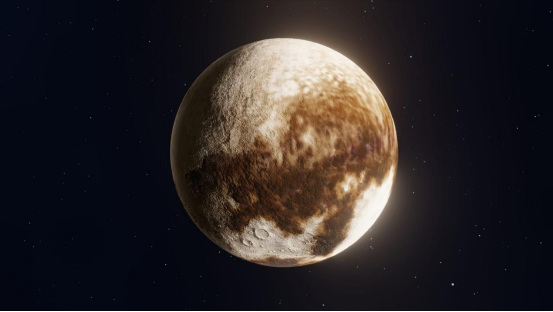
Pluto, a dwarf planet at the edge of the solar system, has been the focus of heated discussion in the scientific community and the public since it was reclassified by the International Astronomical Union in 2006. Although it is no longer one of the “nine planets”, Pluto’s unique appearance and geological activities have fascinated astronomers. In 2015, NASA’s “New Horizons” probe flew past Pluto and sent back unprecedented high-definition images and data, which completely changed our understanding of this icy world.
1. Glaciers and Mountains
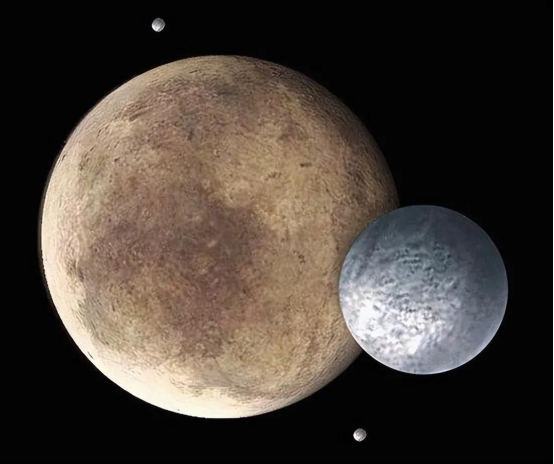
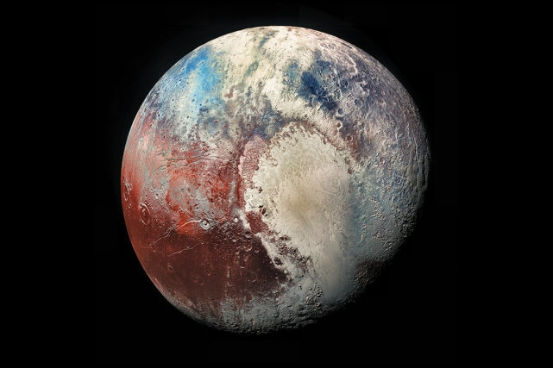
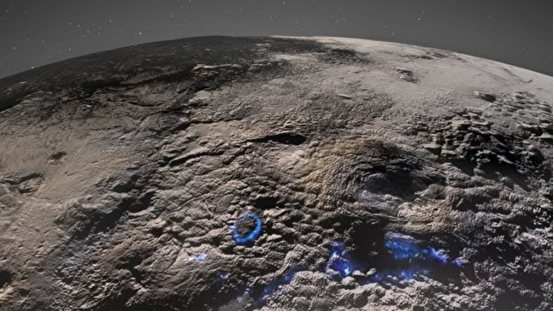
Pluto’s surface is covered with vast nitrogen ice plains, especially the famous “heart-shaped area”. Its left half, “Sputnik Planitia”, is a young, crater-free ice field, suggesting active geological processes. It is surrounded by water ice mountains up to about 11,500 feet high, which is higher than the Rocky Mountains in the United States.
2. Diverse landforms
There are traces of glacial flow on Pluto’s surface, and nitrogen ice moves slowly like glaciers on Earth. The dark red equatorial region may be covered by complex organic molecules, which are formed by methane and nitrogen under the action of ultraviolet rays from the sun.
3. Thin atmosphere
Pluto’s atmosphere is mainly composed of nitrogen and a small amount of methane and carbon monoxide, and the air pressure is only one millionth of that on Earth. New Horizons also observed a haze layer in Pluto’s atmosphere that extends 200 kilometers above the surface.
Scientific Controversy and Future Exploration
Although Pluto has been downgraded to a dwarf planet, its complexity and activity have led many scientists to believe that it deserves to be reclassified. Alan Stern, a planetary scientist at the Southwest Research Institute, even proposed that “Pluto’s geological diversity is comparable to that of Mars.”
In the future, NASA may consider launching a Pluto Orbiter mission to further study seasonal changes, atmospheric escape, and internal structure of this distant world.
Pluto may no longer be a member of the planet family, but it is still one of the most fascinating celestial bodies in the solar system. From ice sheets to icebergs, from thin atmosphere to organic molecules, this icy world is constantly challenging the boundaries of our cognition. As the US space mission advances, the mysteries of Pluto will gradually be revealed, continuing to write a new chapter in human exploration of the universe.
https://www.wedtry.com/exploring-the-kuiper-belt-and-pluto-a-complete-guide-to-the-solar-systems-edge/