https://www.wedtry.com/cosmic-debris-a-guide-to-meteorites-hygiea-comets/
Meteorites are mysterious “visitors” that fall from the sky. They’re not just a spectacular sight overhead—they also carry secrets of the universe.
Each meteorite holds billions of years of history, giving us a rare glimpse into how our solar system was born and how it has changed over time. Today, let’s dive into the fascinating story of meteorites and see what secrets these space rocks have brought us.
What Are Meteorites and Where Do They Come From?
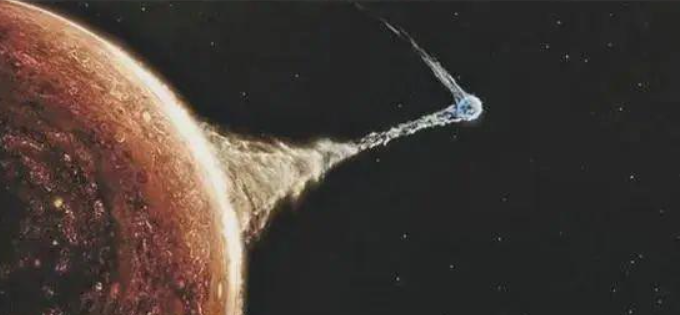
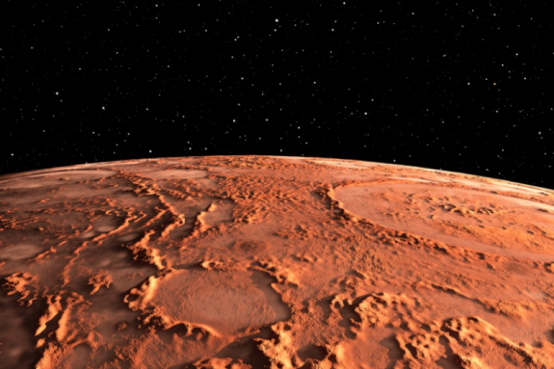
Simply put, meteorites are fragments of rock or metal that fall from space and land on Earth’s surface. Most of them come from the asteroid belt, while a small number originate from the Moon or Mars.
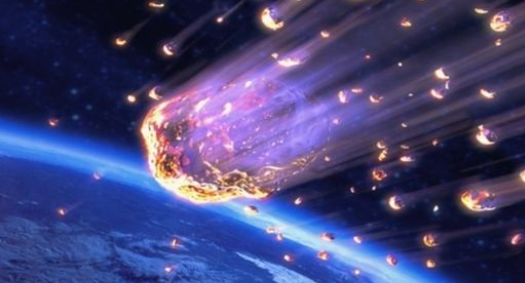
When they enter Earth’s atmosphere, friction at extreme speeds creates a blazing fireball—the brief but beautiful “shooting star” we often see at night.
Meteorites can be divided into three main categories:
Stony meteorites: These tell the story of early solar system material.
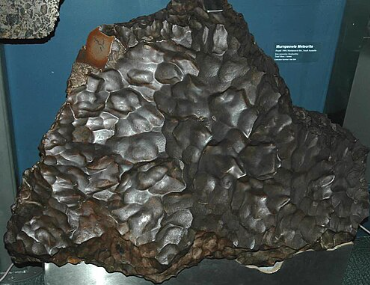
Iron meteorites: They reveal clues about the formation of planetary cores.
Stony-iron meteorites: A mix of rock and metal, offering unique scientific insights.
Meteorites as Time Capsules of the Universe
These little rocks are like ancient artifacts, some as old as 4.6 billion years! Scientists study their chemical composition and isotope ratios to reconstruct what the solar system looked like when it first formed.
Elements like iron, nickel, calcium, and magnesium tell us how planets gradually took shape.
Some carbon-rich meteorites even contain traces of water and organic compounds, suggesting the early solar system may have already had the ingredients for life.
The craters, cracks, and pitted surfaces on meteorites record their cosmic journeys, almost like a natural space documentary carved in stone.
Spectacular Meteorite Impacts on Earth
Throughout history, meteorite impacts have been both awe-inspiring and catastrophic. From small meteorites that leave minor craters to massive collisions that reshape ecosystems, these events remind us of the raw power of the cosmos.
Small meteorites: These sometimes land in cities or countryside areas, often harmless but striking reminders of the universe beyond Earth.
Massive impacts: Events like the one that wiped out the dinosaurs highlight just how powerful and destructive celestial bodies can be.
Meteorites and Human Civilization
Meteorites aren’t just scientific treasures—they’ve deeply influenced culture, religion, and art throughout history. Ancient civilizations viewed meteorites as gifts from the gods, using them in rituals or crafting tools. Today, meteorites are prized by collectors and artists alike.
Cultural symbolism: Meteorites represent mystery and cosmic power.
Collectible value: Rare meteorites are highly sought after for their unique composition and origin.
Educational importance: Exhibits in museums allow the public to learn more about solar system evolution and inspire curiosity.
Handling Meteorites Safely
As fascinating as meteorites are, handling them requires care. Their surfaces may carry dust or microbes, so wearing gloves is recommended to avoid contamination. Additionally, respect local laws when collecting meteorites, and avoid illegal harvesting to preserve these natural treasures.
Conclusion
Meteorites are like messengers from deep space, carrying stories of the solar system, clues to life’s beginnings, and mysteries of the cosmos.
They’re not just valuable for science—they spark curiosity and fuel our drive to explore. Every time you look up at the night sky or hold a meteorite in your hand, you’re connecting with the vastness of the universe, one step closer to its secrets.
https://www.wedtry.com/cosmic-debris-a-guide-to-meteorites-hygiea-comets/