https://www.wedtry.com/the-sun-a-comprehensive-guide-to-the-engine-of-the-solar-system-and-solar-dynamics/
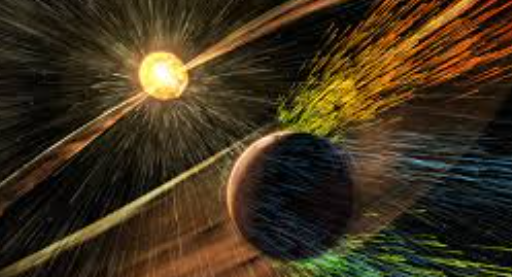
Have you ever thought about this: the Sun, which shines above us every day, is not just a giant glowing ball of fire. It’s constantly blasting streams of tiny charged particles into space—what we call the solar wind. When this high-speed stream of particles reaches Earth, it triggers a series of fascinating—and sometimes disruptive—phenomena. Let’s take a journey through the incredible ways solar wind affects our planet.
The Dance of the Auroras: Nature’s Light Show
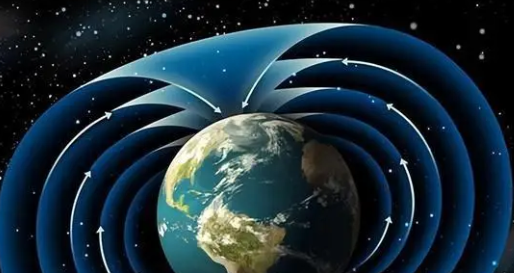
The most visible and magical gift of solar wind is the aurora. When Earth’s magnetic field funnels solar particles toward the poles, they collide with gases in the atmosphere, releasing bursts of colorful light.
The colors of the northern and southern lights depend on the type of gas and energy levels of the particles. Imagine standing under a cold, starry sky, watching shimmering green, red, and even purple ribbons of light swirl overhead. That’s solar wind painting the sky for us!
Subtle Disturbances in Earth’s Magnetic Field
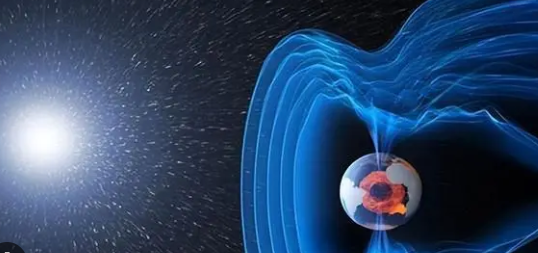
When solar wind slams into Earth’s magnetic field, it creates geomagnetic storms, causing small but sudden fluctuations. We don’t feel these shifts in our daily lives, but they can throw off navigation systems like GPS.
For sailors, pilots, or surveyors who rely on high-precision instruments, these magnetic “hiccups” can make a big difference, so scientists monitor space weather closely.
Satellite and Communication Disruptions
The energetic particles from solar wind can interfere with satellites orbiting Earth. This can lead to communication dropouts, noisy signals, and inaccuracies in weather and navigation satellites.
In fact, high-latitude radio communication can be disrupted, which is a real concern for aviation and maritime industries. Solar wind may be invisible, but its effects ripple through our global tech networks.
Risks to Power Grids
Intense geomagnetic storms can even induce electrical currents on the ground, affecting power grids. In 1989, a major solar storm caused a massive blackout in Quebec, Canada.
While modern grids have built-in protections, this serves as a stark reminder: solar wind isn’t just an astronomical curiosity—it’s a force powerful enough to impact daily life on Earth.
Effects on Astronauts and Air Travel
The charged particles from solar wind also pose radiation risks. Astronauts in space lack Earth’s magnetic protection and are more vulnerable to radiation exposure. Even airline crews and passengers flying long-haul, polar routes receive slightly higher doses of cosmic radiation during intense solar activity.
Though the risk is low, scientists constantly track solar storms to keep humans safe—both in space and in the sky.
A Cosmic Reminder of Our Place in Nature
Solar wind is a powerful reminder that Earth isn’t an isolated world. Our weather, technology, and even daily lives are delicately connected to the Sun’s activity. Understanding space weather is not just about curiosity—it’s also essential preparation for potential risks.
Conclusion
Solar wind is a silent, invisible force. It creates breathtaking auroras, disturbs satellites and power grids, and even affects aviation and space missions. Though we can’t feel it, its power is immense.
So, the next time you see a news alert about a geomagnetic storm or catch a glimpse of dancing auroras, imagine the solar wind brushing against Earth, reminding us of the delicate balance between nature and technology in our cosmic neighborhood.
https://www.wedtry.com/the-sun-a-comprehensive-guide-to-the-engine-of-the-solar-system-and-solar-dynamics/