https://www.wedtry.com/the-sun-a-comprehensive-guide-to-the-engine-of-the-solar-system-and-solar-dynamics/
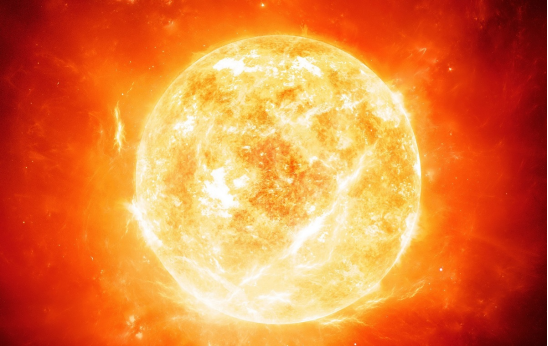
The sun, a G-type main sequence star about 93 million miles from Earth, is not only the gravitational center of the solar system, but also the cornerstone of life on Earth. With the in-depth exploration of the American astronomical community, from NASA’s Parker Solar Probe to the observations of the National Solar Observatory, the mysteries of the sun are being revealed one by one. This article will explain the scientific value and unsolved mysteries of this star.
1. Basic data of the sun
Diameter: About 864,000 miles, or 109 times the size of Earth.
Mass: 99.8% of the total mass of the Solar System, about 4.3 × 10^30 pounds.
Energy output: 3.8 × 10^26 watts per second, equivalent to the power of 1 trillion megaton hydrogen bombs.
2. NASA and Solar Exploration: The Frontier of Science and Technology
NASA’s flagship mission is ‘touching’ the Sun like never before:
Parker Solar Probe: Launched in 2018, it has now flown to a distance of 4.3 million miles from the sun’s surface, withstanding temperatures of 2,500 degrees Fahrenheit to study the mysteries of solar wind and coronal heating.
Solar Dynamics Observatory: Uses ultraviolet imaging to monitor in real time solar flares and coronal mass ejections, which could disrupt the U.S. power grid and satellite communications.

3. The impact of solar activity on Earth: from auroras to power grid crises
Sunspot cycle: The approximately 11-year cycle directly affects space weather. 2025 is the period of rising activity, and the National Oceanic and Atmospheric Administration has issued geomagnetic storm warnings several times.
The Carrington Event of 1859: The strongest solar storm in history, if it occurred today, could cause economic losses of $2 trillion to the United States.
4. Future Challenges: Energy and Deep Space Exploration
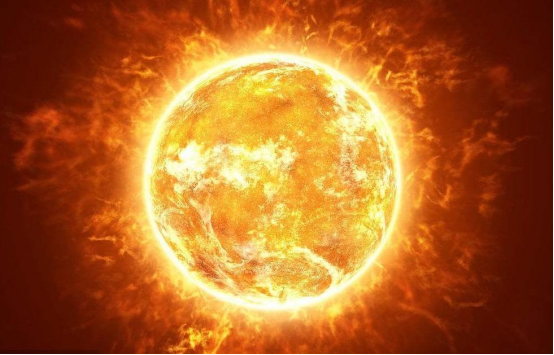
Nuclear fusion research: The U.S. Department of Energy’s National Ignition Facility seeks to replicate the sun’s energy mechanism on Earth, achieving “net energy gain” for the first time in 2022.
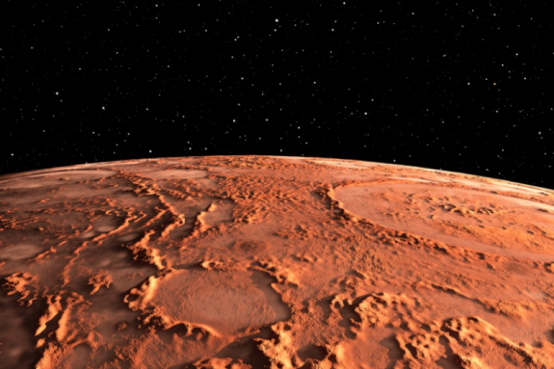
Mars Mission: Solar radiation is one of the greatest threats to astronauts, and NASA’s shielding technology research is based on solar physics.
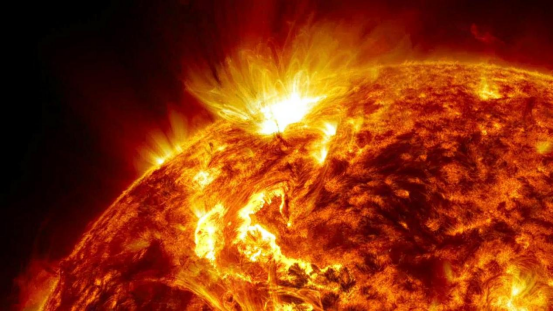
The sun is not only a familiar symbol of “sunrise and sunset”, but also a frontier for astronomy. From the energy dependence of daily life to the ultimate challenge of interstellar exploration, this star will continue to lead mankind to a deeper universe.
https://www.wedtry.com/the-sun-a-comprehensive-guide-to-the-engine-of-the-solar-system-and-solar-dynamics/