https://www.wedtry.com/a-complete-guide-to-the-planets-of-our-solar-system/
In the vast solar system, Earth is the only planet known to support life. This blue planet, about 7,918 miles in diameter, is a miracle in the universe with its unique temperature, atmosphere, and liquid water system. This article will delve into the physical properties, orbital motion, geological structure, and special status of the Earth in astronomy, and take you to a new understanding of this planet we call “home.”

1. Basic parameters of the Earth
Size and Mass: Earth has an equatorial radius of approximately 3,959 miles and a mass of approximately 5.97×10²⁴ pounds, making it one of the densest planets in the Solar System.
Orbit and rotation: The Earth orbits the Sun once every 365.25 days, with an average orbital speed of about 66,600 miles per hour; the rotation period is about 23 hours and 56 minutes, resulting in a day and night cycle.
Tilt Angle: The Earth’s axis is tilted at 23.5°, which causes the seasons to change and directly affects global weather patterns.
2. The key to habitability: atmosphere and liquid water
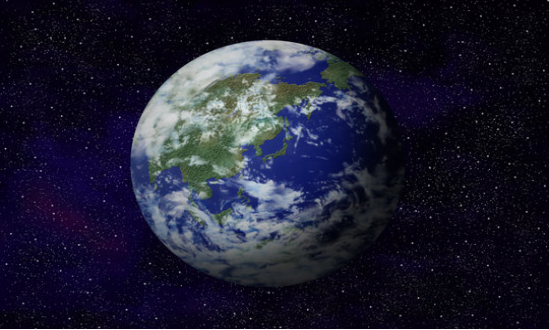
Atmospheric composition: The Earth’s atmosphere is about 300 miles thick, 78% nitrogen, 21% oxygen, and trace amounts of carbon dioxide, providing protection and breathing conditions for life.
Hydrosphere Coverage: 71% of the Earth’s surface is covered by water, the oceans have an average depth of 12,080 feet, and a total volume of water of approximately 326 million cubic miles.
3. Active Geology and Magnetic Field
Plate movement: Earth is the only planet in the solar system with active plate tectonics, with seven major plates moving at a speed of about 1-4 inches per year, causing earthquakes and volcanic activity.
Magnetic field protection: The liquid iron-nickel layer in the Earth’s core is about 1,400 miles thick and generates a magnetic field that extends into space, forming a magnetosphere that deflects deadly radiation from the solar wind.
4. Earth’s uniqueness in the solar system
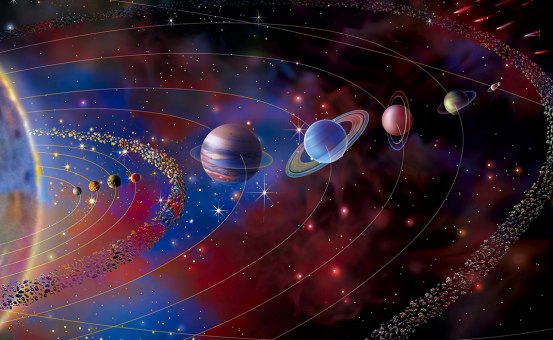
Habitable Zone: The Earth is located in the center of the solar system’s habitable zone, with an average surface temperature of 59°F, which can sustain the stable existence of liquid water.
The Moon’s influence: The 2,159-mile-diameter Moon stabilizes Earth’s rotation axis through tidal forces, moderating extreme fluctuations in climate.

The Earth’s delicate balance makes it the only cradle of life in the known universe. From the atmosphere to the core, every system is performing the perfect cooperation of the laws of nature. As astronomy develops, we should cherish this fragile and precious blue planet even more – after all, it will remain the only home for mankind in the foreseeable future .
https://www.wedtry.com/a-complete-guide-to-the-planets-of-our-solar-system/