https://www.wedtry.com/a-complete-guide-to-the-planets-of-our-solar-system/
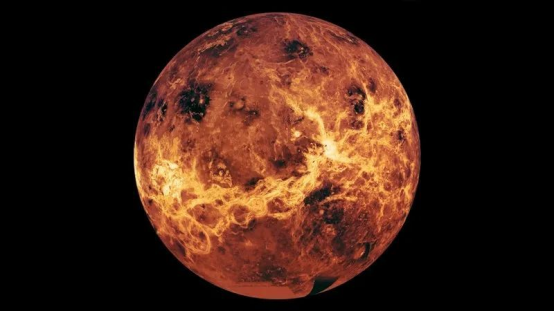
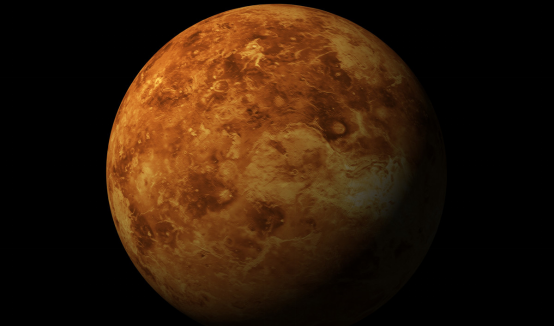
Of the eight planets in the solar system, Venus is perhaps the closest to hell. Although its name comes from the Roman goddess of love and beauty, the environment on Venus is far from beautiful – surface temperatures as high as 900°F, atmospheric pressure 92 times that of Earth, and a deadly atmosphere composed of 96.5% carbon dioxide make Venus one of the most extreme planets in the solar system.
Extreme Environment on Venus
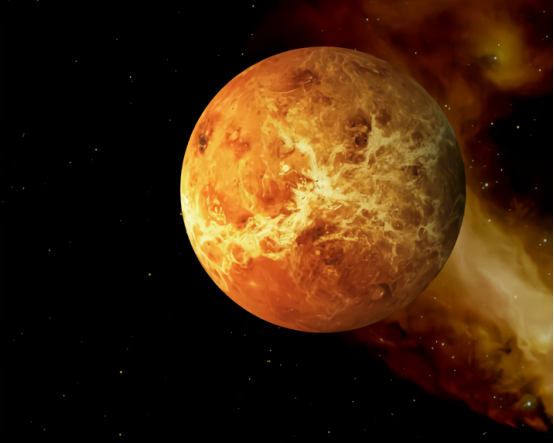
Venus has a surface temperature even hotter than Mercury, which is closer to the sun, thanks to its runaway greenhouse effect. Its thick atmosphere is filled with sulfuric acid clouds that not only reflect sunlight but also trap heat, making Venus the hottest planet in the solar system.
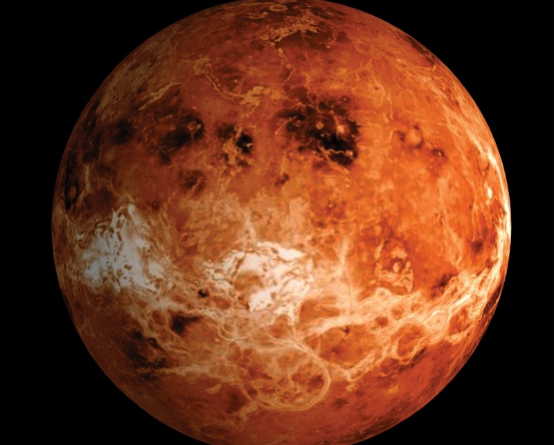
NASA probes, such as Magellan and Pioneer Venus, have revealed Venus’ surface in astonishing detail: volcanoes, vast lava plains, and even evidence that Venus may still be geologically active.
NASA’s Future Venus Missions
In recent years, NASA has once again turned its attention to Venus, planning to launch the “VERITAS” and “DAVINCI+” missions in the 2030s to conduct a more in-depth study of Venus’ geology, atmosphere, and evolutionary history. The European Space Agency’s “EnVision” mission will also join the exploration to jointly unveil the mystery of this mysterious planet.
Why is Venus so important?
Venus is called “Earth’s evil twin” because it is similar in size to Earth but has taken a completely different evolutionary path. Scientists believe that studying Venus can help us understand : the extreme consequences of the greenhouse effect ,
The diversity of planetary geological activities and the potential habitability of exoplanets .
Despite its forbidding conditions, Venus remains one of the most fascinating planets in our solar system, and with new missions from NASA and space agencies around the world on the horizon, we may soon be able to unravel even more of the mysteries of Venus.
https://www.wedtry.com/a-complete-guide-to-the-planets-of-our-solar-system/